What to prepare before a revision
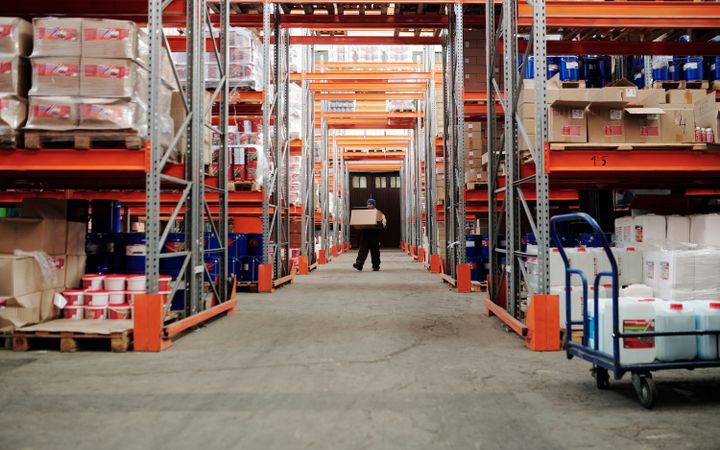
Preparing for a revision: a set of documents, the latest balance data and an orderly warehouse are the three key things that keep the count quick and accurate.
Half of a revision is decided not on the day of the count but in the week before it. If the documents are complete, the balances accurate and the warehouse in order, counting goes quickly and the differences point to genuine problems. Otherwise the committee spends the first day hunting for a missing delivery note and the second sorting through boxes piled up in an aisle. The three key things are a set of documents, the latest balance data and an orderly warehouse.
A set of documents
Before the revision starts, the following should be gathered in one place for the period under review:
- receipt documents: delivery notes, invoices, acceptance reports;
- issue documents: sales delivery notes, receipts, orders and dispatches;
- movement inside the warehouse: transfers between stores, handovers between branches;
- return, write-off and destruction reports for unusable goods;
- the liability agreement and the storekeeper's job description;
- reports from the previous revision or stock count.
Sort paper documents by date and put them in folders. Print electronic ones for the exact period or collect them in a separate folder. If a document is missing, it is better to find that out before the revision and ask the supplier for a copy.
Goods outside your own warehouse need special attention: cargo in transit, products left with a customer on commission, a batch stored elsewhere. They sit in the records but cannot be seen on a rack, so the documents and confirmations for them must be ready in advance.
The latest balance data
By the time counting begins, all documents must have been posted in the records. A late receipt or issue artificially inflates the difference. On the day of the revision, pull the list of balances from 1C or Excel and "freeze" it: every movement after that moment is recorded separately.
An important rule: nobody should "correct" the records during the count. If a correction is unavoidable, it is entered as a separate document stating the date and the reason.
The balance list should have columns for article, name, unit, price and booked quantity. Leave "Actual quantity" and "Difference" empty: those are the ones filled in after the count. It also helps not to show the counters the booked quantity. This "blind count" stops people from bending the result towards the expected figure.
An orderly warehouse
A few days before the revision, prepare the warehouse for counting:
- every item should be in its place with its label;
- move returned, unusable and expired goods to a separate zone and mark them;
- keep third-party goods and goods accepted for safekeeping apart;
- close opened packs or mark the quantity inside;
- clear the aisles and take out empty containers;
- check the lighting and access to the goods.
An orderly warehouse is not only quicker to count; it also produces fewer mistakes.
Equipment and staff
On count day everything needed must be at hand: numbered count sheets, pens or markers, labels, calibrated scales, a tape measure and, if used, a charged scanner. Tasks are assigned to committee members beforehand, a briefing is held, and on count day they are released from other work.
Tell the staff in advance too: when the revision will take place, why it is being held and what is expected of them. This reduces anxiety and improves cooperation.
A rough timetable
- 7 days before: the order, the committee, document collection begins;
- 3 days before: documents are posted in the records and the warehouse is put in order;
- 1 day before: equipment is checked, count sheets prepared, a briefing held;
- on the day: the balance is "frozen" and counting begins.
For a large warehouse (say, 8,000 positions) it is better to stretch this timetable to double.
Conclusion
Good preparation speeds up the revision, reduces the number of differences and raises confidence in the result. If you do not know who should handle the preparation, or lack experience, the Reviziya team can assess the state of the warehouse in advance and help draw up a preparation plan.