Balances
Full audit
Counting all inventory and reconciling it with your accounting data.
RequestCover story
A warehouse inspection means checking every number on the shelves and finding the cause of each shortage. We count the stock, compare the paperwork and write up the results in plain, clear language.
What it is
An audit goes further than a simple count. We check not only how much stock is on the shelf, but how it got there and how it left: receiving documents, transfers, returns and write-offs.
Most shortages come not from theft, but from disorder in the records.
As a result you get not just a list of discrepancies but their causes — where the mistake happens: at receiving, in storage or in the paperwork. That makes it clear which process needs fixing.
An audit is especially useful when the person responsible for stock changes, at year-end, before selling the business or when shortages keep coming back.
Editor’s pick
Every count shows a gap, but nobody can explain why.
A warehouse handover shouldn’t happen without an independent check.
There’s a receipt but no goods — or the other way round.
Balances and documents need to be in order.
The value of your stock needs independent confirmation.
Sections
Balances
Counting all inventory and reconciling it with your accounting data.
RequestDocuments
Checking receipts, issues, transfers and write-off documents.
RequestProcesses
Finding weak spots in receiving, storage and shipping, and ways to fix them.
RequestAssets
Checking equipment and machinery, with an asset number for every unit.
RequestAccountability
An impartial handover of stock when the responsible person changes, with a signed certificate.
RequestControl
A planned check every quarter or month, so problems are caught while they are small.
RequestExample
A hypothetical example to show how an audit works.
A distributor’s warehouse with about 8,000 items. Every quarter there is a shortage, but nobody can explain why.
We study the warehouse zones, the accounting system and the document flow. Counting is planned for the night so sales don’t stop.
Two teams count with scanners; items with discrepancies are checked a third time.
Discrepancies are compared with the documents: most turn out to be caused by incorrectly processed returns and mix-ups between similar items.
Management receives the list of discrepancies, their causes and a new procedure for processing returns.
Appendix
| No. | Document | Contents | Format |
|---|---|---|---|
| 1 | Discrepancy statement | For each item: book and actual balance, amount of the difference. | Excel |
| 2 | Audit certificate | An official document signed by the committee members. | |
| 3 | Statement of causes | Where and why the discrepancies arose — in plain words. | |
| 4 | Recommendations | Concrete steps for fixing your processes. | |
| 5 | Import file | For correcting balances in your accounting system. | 1C |
Price list
Coupon · estimate
Estimated price
from 10 mln UZS
Confirm the audit priceThis coupon shows an estimate and is not a public offer. We quote an exact price after a visit.
Classifieds
Large warehouses, thousands of items — we find discrepancies zone by zone.
We check branches and the central warehouse on one schedule.
Raw materials, work in progress and finished goods.
With control of batches and expiry dates.
Goods counted in pieces, metres and kilograms.
Fast turnover and write-off procedures.
Exact reconciliation by catalogue numbers.
Orders, returns and fulfilment.
Clients
Companies that trust us with their warehouses.



News
Useful reads on warehouses, stock counts and audits.
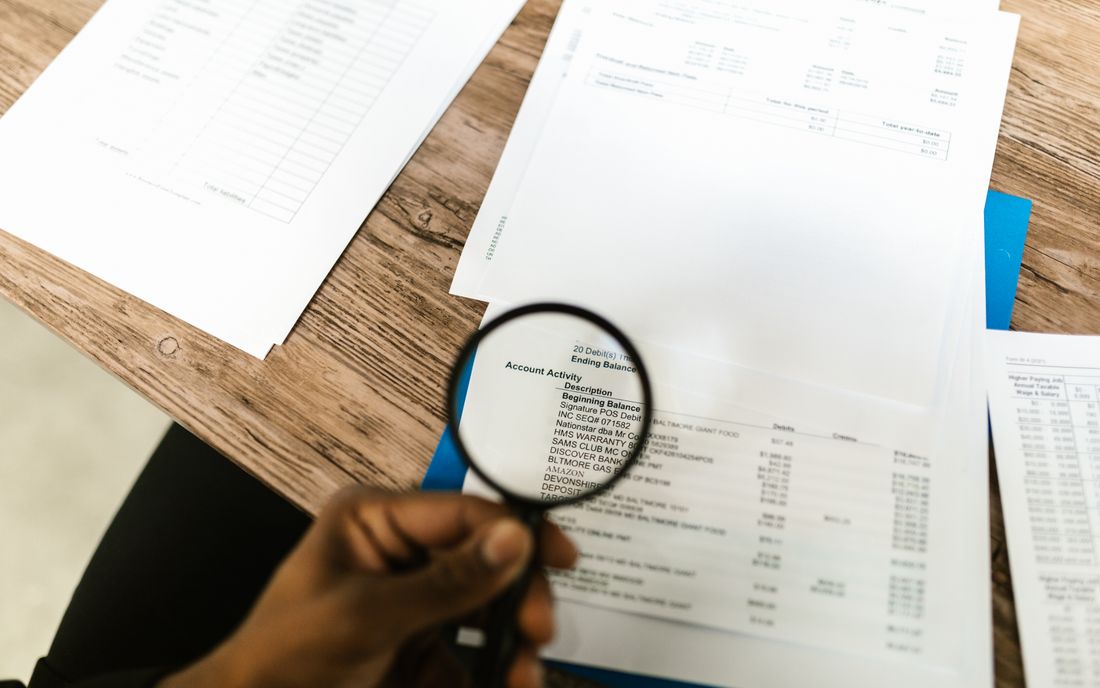 What a revision is and what it is forWhat a revision is: a check of the actual state of assets and records and whether they match, in which counting the stock is only one part of the process.
 Revision vs stock count: what is the differenceRevision vs stock count: a stock count counts the goods, while a revision judges the result of the count and the entire record-keeping system.
 Preventing shortages: everyday control habitsShortages build up from small daily lapses, not on the day of the revision. Five simple habits in receiving, issuing and storage stop errors at the start.
 Scheduled vs surprise revisions: which helps moreScheduled and surprise revisions: a scheduled one shows how solid the warehouse's order is, a surprise one shows what happens on an ordinary working day.
 Who sits on a revision committeeThe revision committee should consist of reliable, experienced staff who do not depend on the unit being checked, so that the result can be trusted.
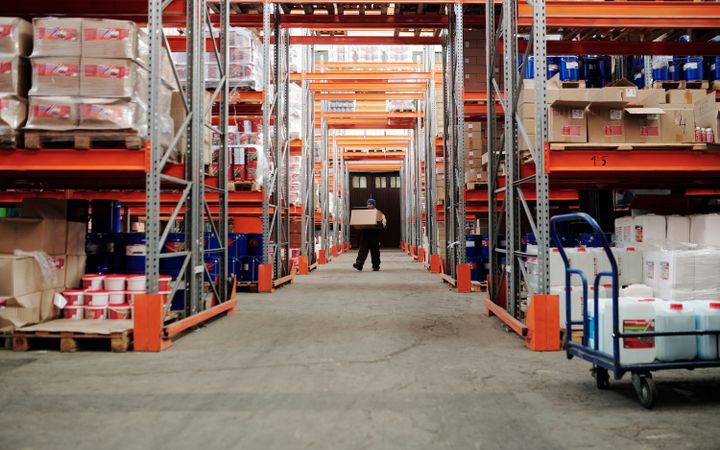 What to prepare before a revisionPreparing for a revision: a set of documents, the latest balance data and an orderly warehouse are the three key things that keep the count quick and accurate.
Q&A
Contact
Write a few lines about your warehouse — we’ll call you back and suggest an audit plan.